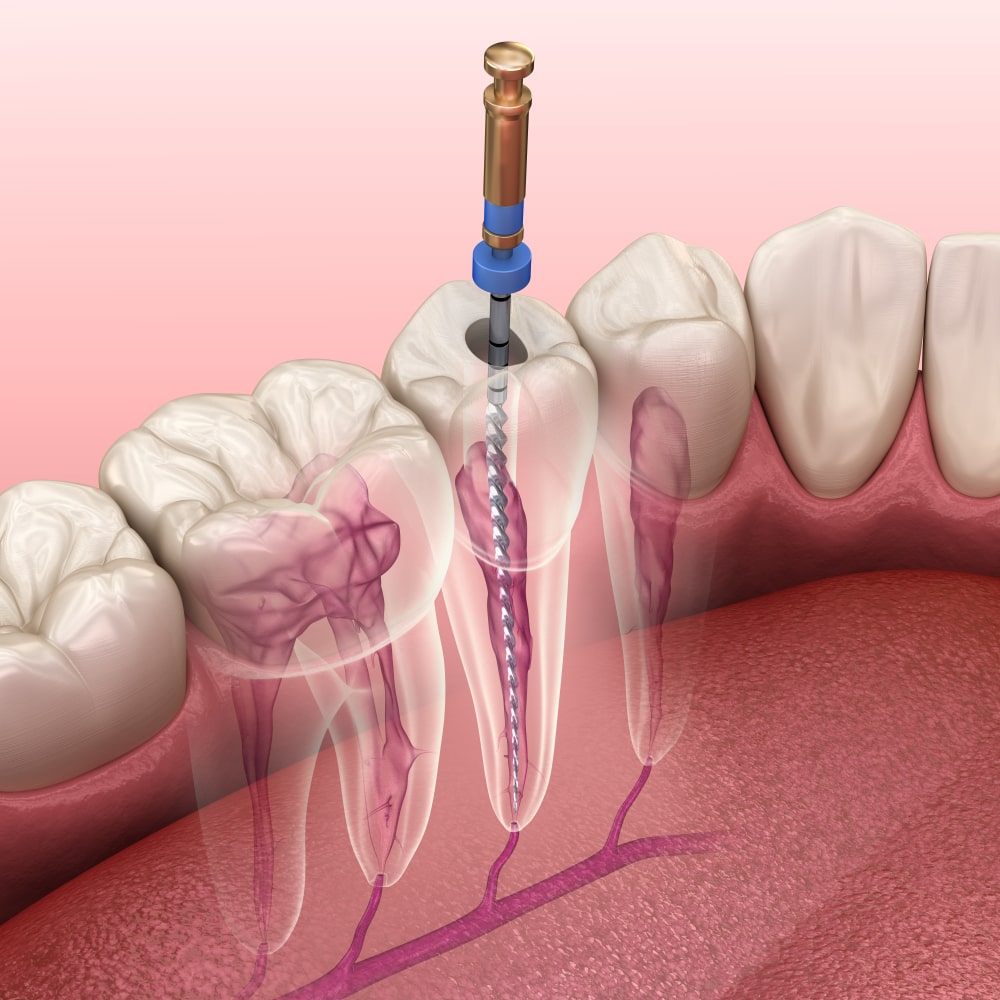

Root Canal Treatment (RCT) is a safe, effective, and virtually pain-free dental procedure used to save a severely infected or damaged tooth. Despite its reputation, modern RCT is as comfortable as getting a filling — and far less painful than the toothache it relieves.
At Dr. Nagar's Teeth & Braces Dental Clinic, Lucknow, we use advanced rotary endodontic equipment and digital X-ray guidance to ensure precise, efficient, and comfortable treatment — often completed in a single visit.
Often completed in 1 visit
Pain-free with local anaesthesia
Preserves your natural tooth
Advanced rotary endodontics
Digital X-ray precision
Long-lasting results
When Is Root Canal Treatment Required?
Root canal treatment becomes necessary when the pulp (innermost nerve tissue) of a tooth becomes infected or inflamed. Here are the most common warning signs.
Persistent, intense pain — especially when chewing or applying pressure — is a hallmark sign of pulp infection requiring RCT.
Lingering sensitivity or sharp pain after consuming hot or cold foods/drinks, even after the stimulus is removed.
A pimple-like swelling (abscess) on the gums near a tooth indicates a bacterial infection spreading from the root.
A tooth turning grey, dark brown, or black may indicate internal nerve damage or pulp death from trauma or decay.
Persistent swelling, tenderness, or a raised bump on the gum tissue near a tooth signals possible infection in the root.
Cracks or chips can expose the inner pulp to bacteria. Even hairline fractures can lead to pulp infection over time.
How Root Canal Treatment Works
Modern RCT is a precise, comfortable procedure that saves your natural tooth and eliminates infection permanently.
The area is completely numbed with local anaesthesia. You feel no pain during the procedure — just mild pressure.
A small opening is made in the crown of the tooth to reach the infected pulp chamber and root canals.
Infected pulp tissue, bacteria, and nerve tissue are carefully removed using precision rotary endodontic files.
The canals are cleaned, shaped, and sealed. A crown is usually placed over the tooth for strength and protection.
Why Save Your Natural Tooth?
Nothing looks, feels, or functions as well as your own natural tooth. Extracting a tooth may seem like a simpler solution, but it opens the door to a cascade of problems — including bone loss, shifting teeth, and the need for expensive replacements.
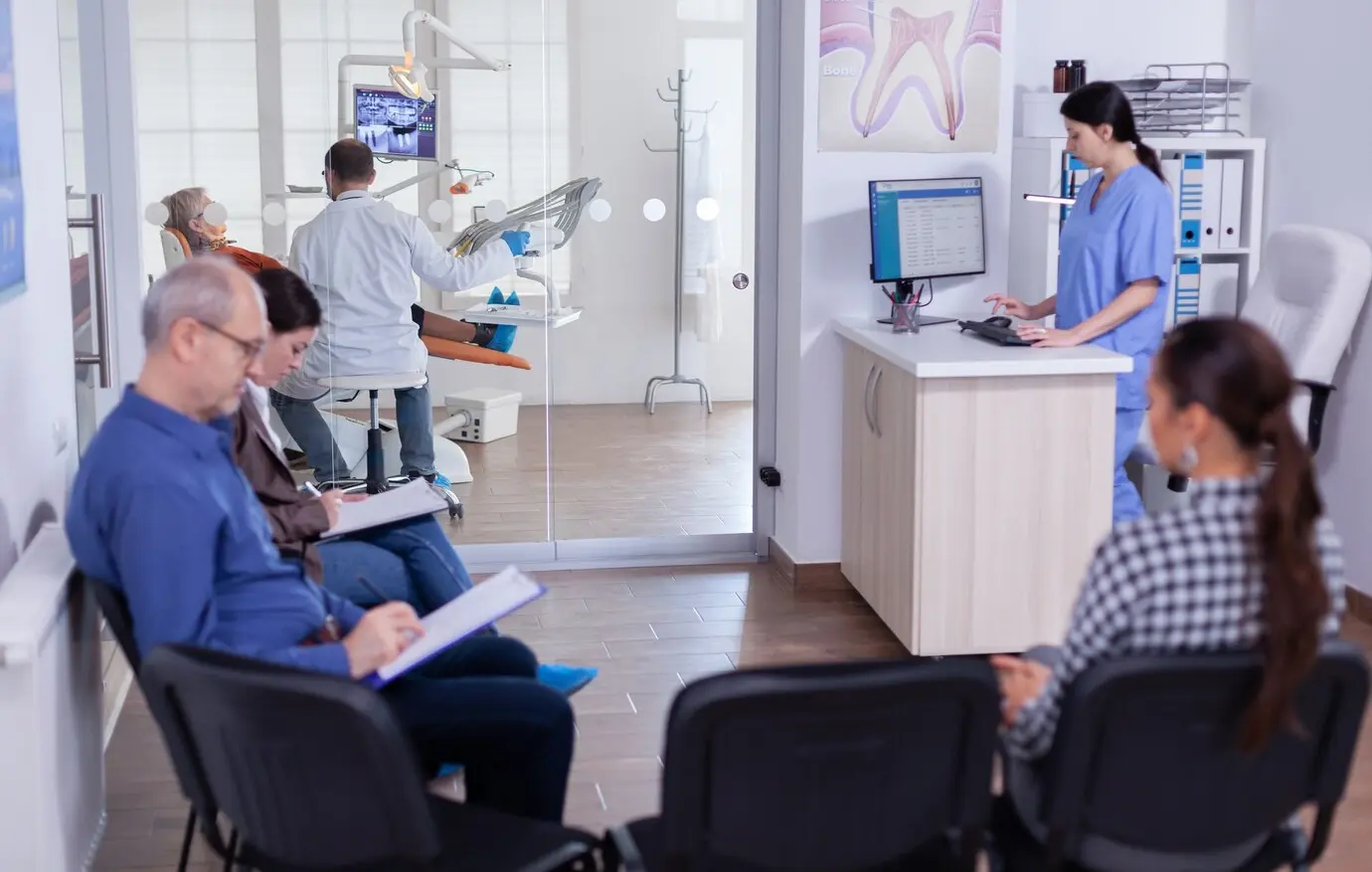
Oral surgery encompasses a range of precise dental procedures performed to treat conditions that go beyond routine dental care. At our clinic in Aliganj, Lucknow, Dr. Amit Nagar performs all oral surgical procedures with expert precision, using the latest techniques to ensure minimal discomfort and fast recovery.
Whether it's a simple tooth extraction, an impacted wisdom tooth, or a bone graft, you can be confident in the hands of a specialist with 38+ years of clinical experience.
Experienced surgical team
Minimally invasive approach
Local & sedation anaesthesia
Fast healing techniques
Detailed post-op care
Digital imaging guidance
Types of Oral Surgical Procedures
We perform a full range of oral surgical treatments under expert care, ensuring your safety, comfort, and fast recovery.
Simple or complex tooth removal performed gently and precisely under local anaesthesia. Indicated for severely decayed, broken, or non-restorable teeth.
Impacted or partially erupted wisdom teeth often cause pain, crowding, and infection. Surgical removal prevents these complications before they worsen.
For teeth that cannot be removed with simple extraction — due to curved roots, broken-off crowns, or dense bone — surgical techniques are used.
Used to rebuild bone lost due to infection, trauma, or tooth loss. Often done before dental implant placement to ensure adequate bone volume.
Removal or repositioning of the frenum (the small tissue connecting lip/tongue to gum). Treats tongue-tie or high frenum causing gaps or gum recession.
A dental abscess is a painful bacterial infection that requires prompt surgical drainage. Quick intervention prevents the infection from spreading.
Pre & Post-Operative Care
Proper preparation before surgery and careful aftercare accelerate healing and reduce complications.
Inform us of all medications
Blood thinners, diabetes medications, or supplements can affect surgery and healing.
Arrange transport
If sedation is used, you should not drive yourself home. Bring a trusted companion.
Eat as directed
For sedation cases, you may be asked to fast for 4–6 hours before your appointment.
Share medical history
Disclose all health conditions — heart conditions, diabetes, or allergies are important to know.
Wear comfortable clothing
Loose, comfortable clothing with short sleeves (for blood pressure monitoring) is ideal.
Bite on gauze to control bleeding
Apply gentle pressure with the gauze pad for 30–45 minutes after extraction to control initial bleeding.
Apply ice packs for swelling
Use a cold pack on the cheek (20 min on / 20 min off) for the first 24 hours to reduce swelling.
Eat soft foods for 48–72 hours
Stick to yogurt, soups, smoothies, and soft foods. Avoid hot, spicy, or hard foods until healing is underway.
Avoid smoking and alcohol
Both delay healing significantly and can lead to complications like dry socket. Avoid for at least 72 hours.
Take medications as prescribed
Complete the full course of antibiotics and take pain relief as directed. Do not skip doses.
38+
Years of Dental Experience
3,000+
Successful Procedures
100%
Patient Satisfaction Focus
1
Convenient Lucknow Location
Frequently Asked Questions
No — this is the biggest myth about RCT. Modern root canal treatment is performed under local anaesthesia and is no more painful than a routine filling. The procedure actually relieves the severe toothache caused by the infected pulp. Any mild soreness after the procedure is easily managed with over-the-counter pain relievers.
At Dr. Nagar's clinic, we aim to complete root canal treatment in a single appointment in most cases using advanced rotary endodontic equipment. Complex or severely infected cases may require 2 visits. After RCT, a crown is typically fitted in a separate appointment to protect the treated tooth.
With proper care — good oral hygiene, regular dental check-ups, and a protective crown — a root canal treated tooth can last a lifetime. The crown protects the tooth from fracture and reinfection.
If left untreated, the infection will worsen and can spread to surrounding teeth, jawbone, and in severe cases, to other parts of the body. The tooth will eventually need to be extracted, which is more expensive to replace than treating with RCT.
Simple wisdom tooth removal takes 20–40 minutes under local anaesthesia. Surgically impacted wisdom teeth may take slightly longer. You are comfortable throughout and can usually go home shortly after the procedure.
Wisdom teeth should be removed if they are impacted (stuck in the jaw), causing recurring pain or infection, crowding other teeth, developing cysts, or are positioned in a way that prevents proper cleaning. Early removal in late teens or early twenties is generally easier with faster recovery.
No — we always explore every option to save your natural tooth first, including root canal treatment, crowns, or other restorative procedures. Extraction is only recommended when a tooth is beyond saving, severely fractured, or causing significant problems that cannot be resolved otherwise.
Dry socket occurs when the blood clot that forms after a tooth extraction dislodges prematurely, exposing the underlying bone. It causes significant pain 2–4 days post-extraction. To prevent it: avoid smoking, drinking through straws, or spitting forcefully for 72 hours after extraction.
Our Other Services
Orthodontics & Braces
Braces for all ages — metal, ceramic, Damon & lingual.
Invisalign & Aligners
Invisible clear aligners — removable & comfortable.
Cosmetic Dentistry
Veneers, bonding, smile design & teeth whitening.
Dental Implants
Permanent, natural-looking tooth replacements.
Pediatric Dentistry
Gentle, child-friendly dental care from infancy.
Gum Disease Treatment
Scaling, deep cleaning & periodontal disease management.
Book a consultation with Dr. Amit Nagar in Lucknow — today.