
Expert Care for Your Little Ones
Pediatric dentistry (also called pedodontics) is the branch of dentistry dedicated to the oral health of children — from infancy through adolescence. Pediatric dentists are specially trained to handle the unique dental, emotional, and behavioural needs of young patients.
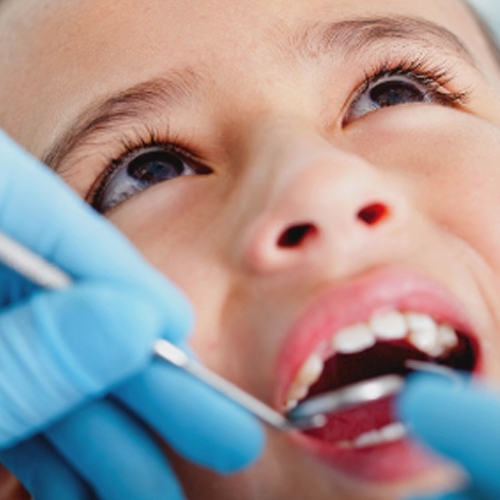
At Dr. Nagar's Teeth & Braces Dental Clinic, Aliganj, Lucknow, we have dedicated, child-friendly treatment slots — designed to keep children comfortable, calm, and occupied during all procedures. Our focus is strongly on preventive dentistry from an early age.
Gentle, child-friendly environment
Preventive cavity treatments
Fluoride applications & sealants
Habit counselling (thumb sucking)
Emergency dental care for kids
Orthodontic screening for children
Many parents believe baby teeth are unimportant because they eventually fall out. This is a common misconception — milk teeth play a critical role in a child's development.
Milk teeth are the only teeth a child uses to chew food from 6 months until permanent teeth begin erupting at around age 6. Losing them early significantly affects nutrition and eating habits.
Baby teeth hold the space in the jaw for the permanent teeth developing underneath. Premature loss reduces available space, causing crowding, misalignment, and orthodontic problems later.
Teeth are essential for proper pronunciation and speech development. Early tooth loss can affect a child's ability to form sounds correctly, potentially causing speech delays.
A healthy smile is important for a child's self-esteem and social interactions. Decayed or missing front teeth can affect confidence at a formative age.
Baby teeth actively guide incoming permanent teeth into their correct positions. Without this guidance, adult teeth may erupt crooked or in the wrong location.
Untreated decay in milk teeth can spread to the permanent teeth developing beneath them, causing irreversible damage before they even emerge.
6–12 months
First baby teeth (lower central incisors) begin to erupt
2–3 years
All 20 primary (milk) teeth fully in place
6–7 years
First permanent molars and central incisors begin to erupt
12–13 years
Most permanent teeth have erupted; wisdom teeth later
Common Dental Problems in Children
Early identification and treatment prevents small issues from becoming serious, costly problems in adulthood.
The most common childhood dental disease. Caused by bacteria feeding on sugars and acids — eroding enamel and causing cavities. Nursing Bottle Caries and Rampant Caries are two critical conditions needing urgent attention.
Children may experience sharp pain to hot, cold, or sweet foods — often indicating decay, enamel wear, or an exposed root. Requires prompt assessment to identify the underlying cause.
Many children grind their teeth, especially at night. Usually harmless in young children but can cause wear, headaches, or jaw pain if persistent. Monitored and managed with guidance.
Premature loss of baby teeth or delayed eruption of permanent teeth can cause spacing and alignment issues. Early intervention prevents the need for complex orthodontic treatment later.
Red, swollen, or bleeding gums indicate gingivitis — reversible with professional cleaning and improved hygiene habits. Left untreated, it can progress to more serious gum disease.
Prolonged thumb or finger sucking beyond age 4–5 can affect jaw development and tooth alignment. Habit-breaking appliances and counselling are effective solutions.
Overbite, underbite, open bite, and crossbite are common in growing children. Early orthodontic intervention (interceptive orthodontics) can guide jaw growth and simplify later treatment.
Frequent acidic drinks (juices, sodas) erode enamel irreversibly. Children with acid reflux are especially vulnerable. Early dietary counselling and fluoride use are protective.
Chipped, cracked, or knocked-out teeth are common childhood injuries from falls or sports. Prompt treatment is critical — especially for permanent teeth where timing affects the outcome.
From prevention to emergency care — comprehensive, gentle dental services for children of all ages.
Professional fluoride treatments strengthen tooth enamel and dramatically reduce the risk of cavities. Recommended every 6 months — safe, quick, and highly effective for children of all ages.
A thin protective coating applied to the deep grooves of back teeth where food and bacteria tend to accumulate. Prevents cavity formation in the most cavity-prone areas without drilling.
When cavities do form, we restore them with composite (tooth-coloured) fillings — no dark metal, a natural look, and a comfortable, minimally invasive procedure.
For heavily decayed baby teeth, a prefabricated stainless steel crown restores the tooth completely and protects it until natural exfoliation — durable and cost-effective.
When decay reaches the pulp (nerve) of a milk tooth, a pulpectomy (root canal for baby teeth) can save the tooth — preserving the space for the developing permanent tooth beneath.
If a baby tooth is lost prematurely, a space maintainer holds the gap open so the permanent tooth has room to erupt correctly — preventing drift and future crowding.
Custom appliances that gently discourage thumb sucking, tongue thrusting, or lip biting habits — preventing jaw and alignment damage during critical developmental years.
Early orthodontic assessment and treatment (from age 7+) can guide jaw growth, create space, and simplify or eliminate the need for complex orthodontic treatment in the teenage years.
Regular 6-monthly check-ups with digital X-rays monitor tooth development, detect early decay, and allow timely intervention — preventing small issues from becoming big problems.
Dental Care Tips for Children
Good oral hygiene habits formed early last a lifetime. Here is what parents and guardians can do at each stage.
0–6 months
Before teeth emerge, wipe gums with a soft, damp washcloth or gauze pad after each feeding. This removes bacteria and starts healthy hygiene habits from birth.
6–24 months
Once the first tooth appears, use a baby toothbrush with a tiny smear of fluoride toothpaste. Avoid putting the baby to sleep with a bottle of juice or milk — this causes Nursing Bottle Caries.
2–6 years
Brush twice daily with a pea-sized amount of fluoride toothpaste. Supervise brushing and flossing. Schedule the first dental visit by age 1 or when the first tooth erupts. Avoid excessive sugar.
6–13 years
Children can begin brushing independently but still need supervision. Introduce flossing when teeth are in contact. Regular 6-monthly check-ups and sealants for newly erupted permanent molars.
Play Pretend at Home
Before the appointment, play dentist at home. Let your child count your teeth or brush a doll's teeth. Familiarity reduces fear and builds positive associations with dental visits.
Use Positive Language
Avoid words like "hurt", "pain", or "needle" around children. Keep conversation positive — "the dentist is going to clean your teeth and make them super strong!"
Reward Good Behaviour
Praise and small, healthy rewards after dental visits reinforce positive behaviour and help children look forward to future appointments rather than dread them.
Start Early & Visit Regularly
The first dental visit should happen by age 1 or when the first tooth appears. Regular 6-monthly visits normalise dental care — children who visit regularly are far less anxious.
Manage Diet Carefully
Limit sugary snacks and acidic drinks. Encourage water, milk, fruits, and vegetables. Avoid frequent between-meal snacking — it gives bacteria constant fuel to produce enamel-eroding acid.
Lead by Example
Children mimic parents. If they see you brush, floss, and attend dental appointments positively, they will naturally adopt the same healthy habits and attitude.
Frequently Asked Questions
The first dental visit should ideally happen within 6 months of the first tooth appearing — or by the child's first birthday, whichever comes first. Early visits establish a dental home, allow early detection of issues, and help children become comfortable with the dental environment from a young age.
Absolutely — milk teeth are critically important. They enable chewing and proper nutrition, guide speech development, hold space for permanent teeth, and maintain the jaw's bone structure. Premature loss due to decay or extraction can cause the permanent teeth to erupt crooked or in the wrong position, leading to complex orthodontic problems.
Nursing Bottle Caries (also called Baby Bottle Tooth Decay) is severe early childhood decay caused by prolonged exposure of baby teeth to sugary liquids — milk, formula, or juice — especially during sleep. Bacteria feed on these sugars and produce acids that rapidly destroy tooth enamel. It's preventable by never putting a child to sleep with a bottle of anything other than water.
Yes. Even though it is a milk tooth, an untreated cavity can grow and become painful, spread infection to surrounding teeth and the developing permanent tooth beneath, and result in premature tooth loss. Treatment (filling or pulpectomy if needed) saves the tooth and protects the child's long-term dental health.
Sealants are thin plastic coatings painted on the chewing surfaces of back teeth — where the deep grooves make them very hard to clean and highly cavity-prone. They act as a physical barrier against bacteria and food particles. They are painless, drill-free, and highly effective — especially on newly erupted permanent molars around age 6 and age 12.
Key prevention strategies: brush twice daily with fluoride toothpaste, floss when teeth are in contact, attend 6-monthly dental check-ups, get professional fluoride treatments and sealants, limit sugary snacks and drinks, avoid between-meal snacking, and never put a baby to bed with a bottle of milk or juice.
Teeth grinding (bruxism) is common in children and usually resolves on its own as they grow. In most young children it is not harmful. However, if grinding is causing noticeable wear, jaw pain, or headaches, Dr. Nagar will assess whether a night guard or other intervention is needed.
The American Association of Orthodontists recommends an initial orthodontic evaluation by age 7. At this stage, enough permanent teeth have emerged to identify potential bite and spacing issues early. Interceptive orthodontics (early treatment) can guide jaw development and simplify or eliminate the need for braces later.
Our Other Services
Orthodontics & Braces
Metal, ceramic, Damon & lingual braces.
Invisalign & Aligners
Invisible teeth straightening — removable.
Cosmetic Dentistry
Veneers, whitening, smile design & bonding.
Crowns & Dentures
Precision crowns, bridges & flexible dentures.
Dental Implants
Permanent tooth replacement anchored in bone.
Gum Disease
Scaling, deep cleaning & periodontal therapy.
Gentle, fear-free care at Dr. Nagar's clinic in Aliganj, Lucknow.