75%
Adults affected
by gum disease
Preventive Dentistry & Gum Care
Oral health and hygiene are critical to our general and overall wellbeing. Yet gum disease is one of the most commonly neglected conditions. Gum diseases — also referred to as Periodontitis or periodontal diseases — start with bacterial growth in the mouth and can result in irreversible tooth loss if left untreated due to the destruction of tissues surrounding the teeth.
At Dr. Nagar's Teeth & Braces Dental Clinic, Aliganj, Lucknow, we focus on early detection, professional cleaning, and specialised periodontal treatment — stopping gum disease at every stage before it becomes irreversible.
Routine scaling & polishing
Root planing & deep cleaning
Laser gum treatment
Flap & gum surgery
Periodontal bone grafting
Biannual check-up programme
Gum disease progresses in silent stages — understanding each stage helps you seek treatment at the right time.
Bacteria form a sticky film (plaque) on teeth surfaces. If not removed by brushing and flossing, it accumulates around the gum line.
Plaque hardens into tartar and irritates the gums, causing redness, swelling, and bleeding when brushing. This stage is reversible with professional cleaning.
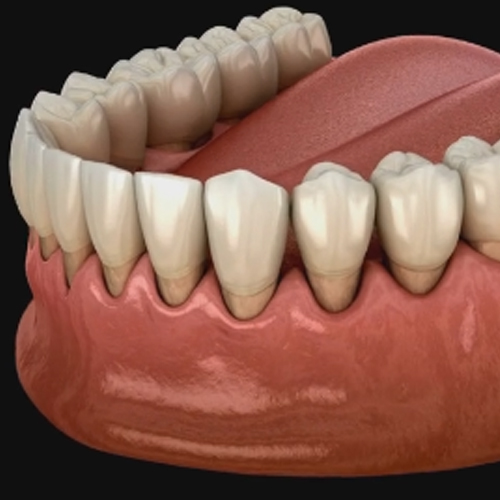
Infection spreads below the gum line, causing gums to pull away (recede) from the teeth, forming pockets that trap more bacteria and debris.
Bone and tissue supporting the teeth are destroyed. Teeth become loose and may eventually be lost. Requires surgical intervention.
Gingivitis vs. Periodontitis
Gingivitis and Periodontitis are the two biggest causes of tooth loss in adults. Understanding the difference guides the right treatment.
Gingivitis — inflammation of the gum — is the most common gum disease. Our gums are attached to teeth at a lower point than the visible gum edge, forming a small space called the sulcus. Plaque and food get trapped here, leading to infection. Plaque hardens into tartar as it advances.
The good news: Gingivitis is fully reversible with professional cleaning and improved home hygiene. If left untreated, it progresses to Periodontitis.
Key Signs:
When Gingivitis is left unchecked, gums separate from the teeth, forming deep pockets that harbour more bacteria. The infection spreads to destroy the supporting bone and connective tissue. This bone loss is irreversible without surgical intervention.
Periodontitis is the leading cause of tooth loss in adults. Early diagnosis and periodontal therapy can halt progression and save teeth.
Advanced Signs:
Certain lifestyle and medical factors significantly raise your risk of developing Gingivitis and Periodontitis.
Smoking
Chewing Tobacco
Diabetes
Certain Medications
Broken Fillings
Crooked Teeth
Pregnancy
Genetic Factors
HIV / AIDS
Poor Diet
High Stress
Poor Oral Hygiene
Gum disease is often painless in its early stages. Recognising these warning signs and seeking treatment early can save your teeth.
Teeth that feel loose or have shifted position indicate bone loss — a hallmark of advanced periodontitis.
Healthy gums do not bleed. Bleeding when brushing or flossing is one of the earliest and most reliable signs of gum disease.
Tender, puffy, or discoloured gums that feel sore to touch signal active inflammation and bacterial infection.
Chronic bad breath (halitosis) that does not improve with brushing can be caused by bacteria deep in gum pockets.
Gums pulling away from teeth, making teeth appear longer — a sign that gum tissue is being destroyed by infection.
Discomfort or sensitivity when biting and chewing suggests inflamed gums and possible bone involvement.
Pus at the gum line indicates an active abscess or infection — requires urgent dental attention.
Newly developed sensitivity to cold or heat is often linked to root exposure caused by gum recession.
Experiencing any of these symptoms?
Don't wait — early gum disease is easy to treat. Advanced disease can lead to permanent tooth loss.
Gum Disease Treatments
Our approach is stepped — starting with the least invasive treatment that achieves healthy gums, escalating only when required.
The cornerstone of gum health. Using ultrasonic and hand instruments, all plaque and calculus (tartar) is removed from above and below the gum line. Surfaces are then polished smooth to slow future plaque accumulation.
⏱ Biannual, 30–60 min
When tartar and bacteria extend deep below the gum line, root planing smoothens the rough root surfaces to eliminate bacterial reservoirs and encourage gum reattachment to the tooth root.
⏱ 1–2 appointments
Our clinic uses laser technology to remove tartar, infected tissue, and bacteria from deep gum pockets with significantly less bleeding, pain, and recovery time than conventional scaling and root planing.
⏱ 1 appointment
In advanced periodontitis where pockets are too deep for non-surgical access, the gum is folded back (a "flap") to allow direct cleaning and reshaping of infected bone, then sutured back in a healthier position.
⏱ 1–2 appointments
Where gum disease has caused significant bone loss, bone graft material is placed to stimulate regeneration of lost bone — restoring the foundation that supports the teeth and preventing further tooth loss.
⏱ 1 surgical appointment
After active treatment, patients enter a structured maintenance programme with more frequent professional cleanings (every 3–4 months) and home care guidance to prevent disease recurrence.
⏱ Ongoing every 3–4 months
The best way to treat gum disease is to prevent it entirely. These daily habits and professional habits protect your gums for life.
Brush Twice Daily
Use a soft-bristled toothbrush with fluoride toothpaste for 2 minutes — morning and night. Replace your brush every 3 months.
Floss Every Day
Flossing removes plaque and food from between teeth and under the gum line where your brush simply cannot reach.
Use an Antibacterial Mouthwash
A daily antibacterial rinse reduces bacterial load in the mouth and helps control early gingivitis.
Quit Smoking
Smokers are up to 7x more likely to develop gum disease. Quitting is the single most impactful change you can make.
Eat a Gum-Healthy Diet
Limit sugary foods and drinks. Eat calcium-rich foods, leafy greens, and foods high in vitamin C to support gum tissue.
Biannual Check-Ups
A dental examination every 6 months allows early detection of gum disease, cavities, and other issues before they escalate.
Professional Scaling
Tartar cannot be removed at home — only a dental professional with ultrasonic instruments can eliminate it effectively.
Dental X-Rays
Periodic X-rays reveal bone levels and bone loss that are invisible to the eye — essential for monitoring gum disease.
Periodontal Charting
We measure pocket depths around every tooth to track gum health over time and identify areas needing attention.
Medicated Gum Treatment
In some cases, antibiotics or antimicrobial gel are placed directly into pockets to target bacteria that resist mechanical cleaning.
2×
Brush twice daily
1×
Floss once daily
6mo
Professional clean
3mo
If gum disease active
Research has established strong links between periodontal disease and serious systemic conditions. Bacteria from infected gums can enter the bloodstream, contributing to inflammation throughout the body.
Treating and preventing gum disease isn't just about your smile — it's a critical investment in your whole-body health.
Frequently Asked Questions
Gingivitis is early-stage gum inflammation — red, swollen, and bleeding gums — caused by plaque build-up. It is fully reversible with professional cleaning. Periodontitis is a more advanced infection where bacteria have destroyed the bone and connective tissue supporting the teeth. The bone loss in periodontitis is irreversible, though progression can be halted with treatment.
Not always — especially in early stages. This is what makes it dangerous. Many people have gingivitis or early periodontitis without any pain. Symptoms like bleeding, bad breath, or loose teeth are more reliable warning signs. Pain typically appears in advanced stages or during acute flare-ups.
Healthy adults with no gum disease should have a professional scaling and check-up every 6 months. Patients with active gum disease or a history of periodontitis typically need cleaning every 3–4 months to prevent recurrence.
Gingivitis is fully reversible and can be cured with professional cleaning and improved home hygiene. Periodontitis cannot be "cured" in the same way — the bone lost does not naturally regrow — but it can be controlled and halted with treatment and lifelong maintenance.
Most patients find scaling comfortable with the modern ultrasonic instruments we use. If you have very sensitive teeth or inflamed gums, mild discomfort is possible. For deeper root planing, local anaesthesia is used to ensure complete comfort throughout.
Yes — though less likely. Some individuals have genetic predispositions that make them more susceptible despite excellent hygiene. Other factors like smoking, diabetes, certain medications, and hormonal changes also significantly raise risk regardless of brushing habits.
Laser gum treatment uses focused light energy to remove infected tissue and kill bacteria in gum pockets. Compared to traditional scaling, it causes less bleeding, less post-operative discomfort, and faster healing. It is particularly beneficial for patients with sensitivity or anxiety about conventional instruments.
Gum surgery (flap surgery) is typically recommended when gum pockets exceed 5–6mm in depth and do not respond adequately to non-surgical treatments like scaling, root planing, or laser therapy. Your dentist will assess this after an initial course of non-surgical treatment.
Our Other Services
Cosmetic Dentistry
Veneers, smile makeovers & Digital Smile Design.
Orthodontics & Braces
Metal, ceramic, Damon & lingual braces.
Invisalign & Aligners
Invisible teeth straightening — removable.
Crowns & Dentures
Precision crowns, bridges & flexible dentures.
Oral Surgical Procedures
Extractions, wisdom teeth & bone grafting.
Teeth Whitening
Laser & home bleaching for a brighter smile.
Book a periodontal check-up with Dr. Amit Nagar in Aliganj, Lucknow.